
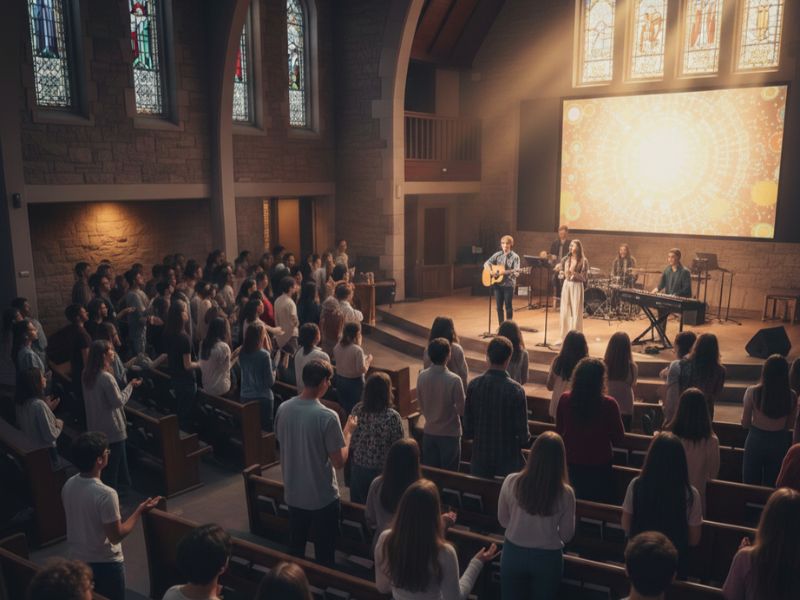
How worship shapes students into confident, grounded, and purpose-driven adults
For many students in the United States, college is one of the biggest life changes they will ever experience. It is a time full of new freedom, new responsibilities, new friendships, and new challenges. Students are expected to study harder, plan their future, and build an independent life, all at the same time. In the middle of this busy college life, Christian colleges offer something unique that many students do not find elsewhere: a chapel and worship.
Some people may think a chapel is simply a tradition or a religious requirement. But in many Christian colleges, chapel and worship play a deeper role in student development. They are not only about singing songs or listening to sermons. They are about helping students grow emotionally, spiritually, socially, and even academically. In simple words, chapel helps students become stronger from the inside.
Why the chapel still matters in modern college life
Today’s students live in a fast digital world. Social media, academic pressure, and fear of failure can affect mental peace. Many students feel stressed, lonely, or confused, even if they look fine from the outside. The Christian college chapel gives students a break from the rush. It creates a space where students can breathe, reflect, and feel grounded.
Chapel also provides something Gen Z and young adults often search for: meaning. Many students are trying to understand who they are and what they want in life. Worship helps them slow down and think about purpose, values, and direction. It becomes a weekly reset, like a pause button for the heart and mind.
Worship builds emotional strength and inner peace.
Student development is not only about grades and degrees. It is also about emotional strength. Many students struggle with anxiety, self-doubt, and burnout during college. Chapel and worship can support emotional health by creating a peaceful environment where students feel safe and encouraged.
Worship music, prayer, and messages about hope can help students feel less alone. Even students who are quiet or introverted often feel comforted in the chapel because they do not have to “perform” or impress anyone. They can simply be present. That feeling of calm can be powerful, especially during exams, personal struggles, or confusing seasons in life.
Chapel supports identity and self-confidence.
One of the biggest parts of student development is identity. Many college students ask questions like, “Who am I?” “What do I believe?” and “What is my future?” In Christian colleges, chapel and worship often help students explore these questions in a healthy way.
Chapel encourages students to think about character, honesty, and purpose. It reminds them that their value is not only based on achievements, looks, popularity, or social media approval. Students learn that they have worth and potential, even on hard days. Over time, this can build strong self-confidence and emotional stability.
A space for community and belonging
College can feel lonely, especially for students who are away from home for the first time. In Christian colleges, the chapel is one of the most common places where students gather as a campus community. It brings students together in one shared space, no matter their major, background, or personality.
This shared experience builds connection. Even when students do not know each other personally, worship creates a sense of unity. Students begin to feel like they are part of something bigger than their daily routine. That sense of belonging helps students feel supported and helps them stay engaged in campus life.
Spiritual growth that supports daily decision-making
Christian college students make many decisions every day. They choose how to manage time, friendships, relationships, academics, and personal habits. Chapel and worship help students develop a stronger moral foundation. In simple words, it helps students build the “right direction” inside them.
When students attend chapel regularly, they are reminded of values like kindness, patience, discipline, forgiveness, and humility. These values support student development because they guide choices that affect long-term life outcomes. Students begin to think before reacting. They learn to handle conflict in healthier ways. They also learn how to grow from mistakes without losing hope.
Worship encourages gratitude and a healthier mindset
Many students struggle with constant comparison. They compare grades, lifestyles, relationships, and future goals. Worship helps shift the focus from comparison to gratitude. It encourages students to appreciate what they have and trust the process of growth.
Gratitude is not just a religious idea. It is also linked to a healthier mindset. When students practice gratitude through worship and reflection, they often feel more hopeful and less overwhelmed. This improves their emotional health, their relationships, and even their ability to stay motivated in college.
Leadership development through chapel experiences
Chapel is not only something students attend. Many Christian colleges give students a chance to participate in it. Students may sing, play instruments, lead prayer, speak, or help organize worship services. These experiences build leadership skills in a natural way.
Students learn how to stand in front of others, communicate clearly, and work as a team. They also learn responsibility and confidence. This type of leadership development is valuable because it prepares students for future careers and real-life challenges. It teaches students how to lead with humility and purpose, not just attention-seeking confidence.
Chapel can strengthen student discipline and routine
College life can become messy without structure. Students often struggle with time management and healthy routines. Chapel creates a weekly rhythm that students can depend on. It becomes a consistent part of campus life that helps students stay balanced.
Even simple routines can support student success. When students have regular moments for reflection and worship, they often become more mindful about how they use their time and energy. This can support better academic focus and healthier personal habits.
Faith and mental wellness support in one place
Many Christian colleges provide counseling and student support services, but the chapel also plays a role in mental wellness. It gives students a safe space to bring their stress, pain, and worries. Worship does not remove problems, but it can help students feel emotionally supported while facing them.
Some students find comfort through prayer. Some feel calm through worship songs. Others feel encouraged by hearing messages of hope and strength. Chapel becomes one more support system that helps students stay emotionally strong during college years.
Chapel and worship in Christian colleges are not just traditions. They are meaningful experiences that shape student development in real and lasting ways. They help students feel grounded, build emotional strength, grow in character, and find a stronger sense of purpose. They also build community, support mental wellness, and encourage leadership in a healthy and supportive environment. In a busy and demanding world, Christian college chapel life offers something deeply valuable: a space to grow from the inside out.



.jpg "University of Houston Invests in the Future of Engineering and Nursing")